Choosing the Right Roofing Contractor: Questions Every Homeowner Should Ask
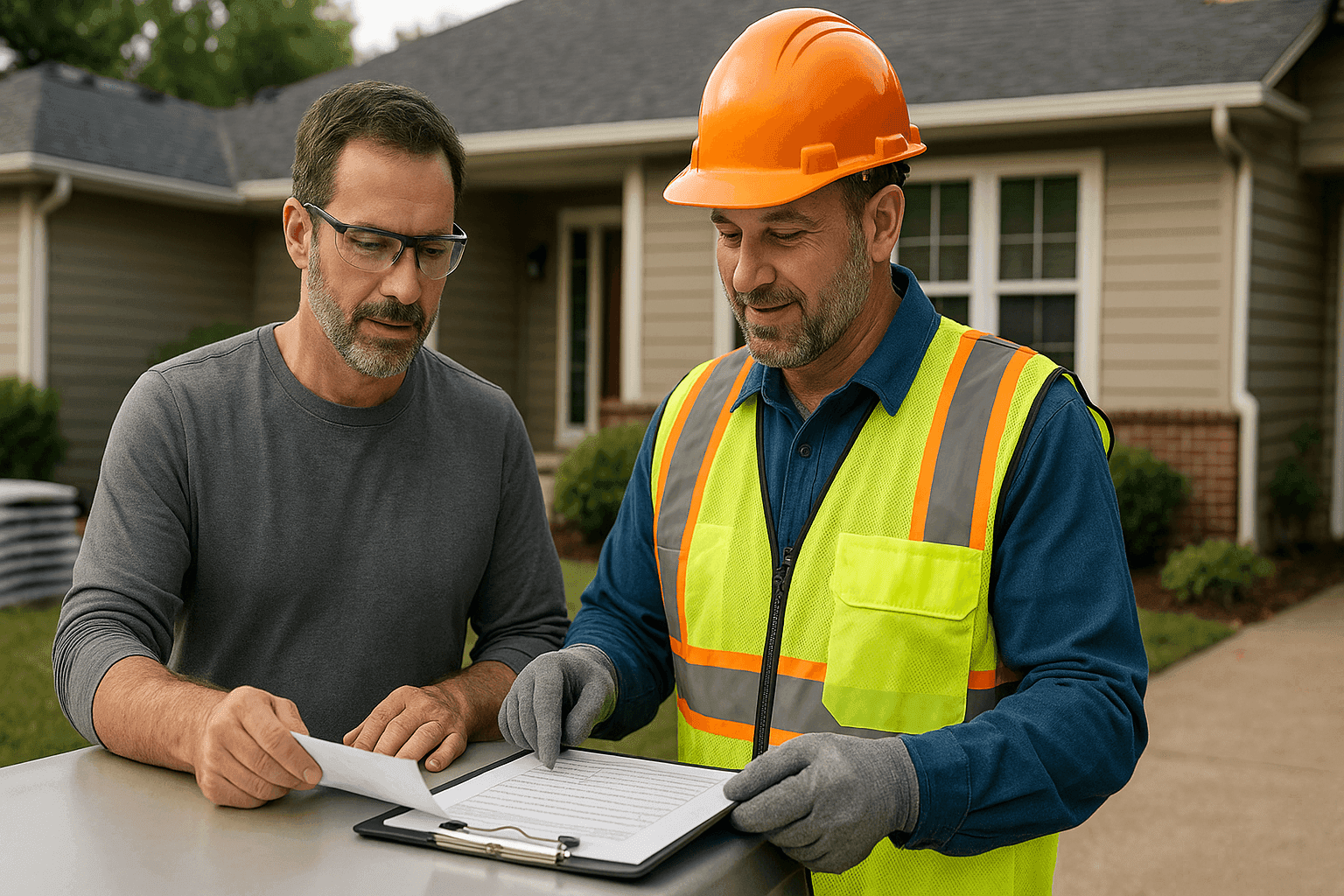
When your home's roof is on the line, anxiety can settle in fast. It’s not just about curb appeal—it’s about safety, value, and peace of mind. At Sir Roofing, we know the search for a reliable contractor can feel as tricky as patching a leaky roof in the pouring rain.
But you’re not alone. Every homeowner deserves to feel confident about who’s working above their heads. Asking the right questions can make all the difference.
Why Choosing the Right Roofer Matters 🏠
Hiring the wrong roofing contractor is like trusting your keys to a stranger. The risks? Shoddy workmanship, surprise bills, and unfinished jobs that leave your home exposed to the elements. Worse, unlicensed or uninsured roofers can leave you on the hook for accidents or damage.
On the flip side, choosing an experienced, certified professional means your project is handled with care. Your investment lasts longer. Your home stays protected. According to the National Roofing Contractors Association (NRCA), proper installation is the difference between a roof that weathers the storm and one that springs a leak at the first drizzle.
Essential Questions to Ask Before Hiring
Before you shake hands or sign anything, put these questions front and center:
-
Are you licensed and insured?
Always ask for proof. Reputable contractors carry both liability and worker’s compensation insurance. No insurance? That’s a risk you can’t afford. -
How much experience do you have with my roofing type?
Whether you need shingle, tile, metal, or flat roof service, experience matters. Ask for examples of similar jobs. -
Who will be on site each day?
Clarify if the company uses in-house teams or subcontracts work. You want accountability. -
Can you provide a detailed, written estimate?
Get every cost in writing: materials, labor, site prep, and clean-up. -
What is the project timeline?
Good contractors give you a realistic start and completion date—and stick to it. -
What warranties do you offer?
Ask about both manufacturer’s warranties (on materials) and workmanship warranties (on labor). -
Do you follow local building codes and safety guidelines?
Roofing should meet or exceed standards set by the International Building Code (IBC) and Occupational Safety and Health Administration (OSHA). -
Can you provide references from recent jobs?
Follow up. Listen for details about communication, cleanliness, and follow-through. -
How do you handle unexpected issues or weather delays?
Flexibility and clear communication are key signs of professionalism.
Reading Between the Lines
Pay attention to how contractors respond. Are they eager to answer? Do they dodge specifics? Clear, timely, and respectful communication is a green flag.
Red Flags and What to Avoid
Spotting trouble early saves headaches later. Watch for these warning signs:
-
No license or proof of insurance:
This puts you at risk—legally and financially. -
High-pressure sales tactics:
If you’re pushed to sign on the spot or told “the price is good for today only,” step back. -
Vague or missing contracts:
Every detail, from materials to clean-up, should be in writing. -
Reluctance to provide references:
Satisfied customers are a contractor’s best proof. -
Unmarked vehicles or no business address:
Reputable contractors don’t hide their identity. -
Large upfront payments:
Deposits are standard, but beware of requests for full payment before work begins.
Sadly, scams aren’t rare. The Better Business Bureau and Federal Trade Commission both recommend homeowners do their homework before hiring anyone for roof replacement near you.
Common Scams to Watch For
- Storm chasers:
Contractors who appear after storms, offering quick repairs at suspiciously low prices. - Unrealistically low bids:
If it sounds too good to be true, it probably is. - Lack of written contract:
Never rely on a handshake when your home is at stake.
How to Compare Roofing Bids
Choosing a roofer isn’t just about the lowest price. Think of it like comparing apples and oranges—except your home is the orchard.
Here’s how to weigh your options:
-
Request bids from at least three contractors.
Each should be detailed and easy to understand. -
Check scope of work:
Are all materials, labor, and clean-up included? Make sure you’re comparing similar proposals. -
Balance cost and quality:
The cheapest bid may cut corners. The highest isn’t always the best, either. -
Research reputations:
Look for solid reviews on independent platforms. Are they members of recognized trade associations like NRCA? -
Ask about payment schedules:
Reasonable deposits are normal. Final payment should follow job completion and your satisfaction. -
Clarify warranty terms:
Some bids include longer or more comprehensive coverage.
If you’re still unsure, ask each contractor to walk you through their bid. A trustworthy roofer explains their numbers without hesitation.
Practical Checklist for Homeowners
Before you sign a contract, run through this quick list:
- License and insurance checked and verified
- Written estimate reviewed and understood
- Timeline and payment schedule clarified
- References called and feedback noted
- Warranty details explained
- Contract reviewed for all specifics
FAQ: Homeowner Roofing Questions
How often should I have my roof inspected?
Most roofs should be inspected at least once a year, and after severe weather events. This helps catch small issues before they become costly repairs.
What’s the typical lifespan of a residential roof?
It depends on materials. Asphalt shingles last 15–30 years, metal 40–70 years, and tile can last over 50 years with proper maintenance.
Is a permit needed for roof replacement?
In most areas, yes. Professional contractors handle permitting for you and ensure all work meets code.
What if I have an emergency leak?
Choose a roofer who offers emergency services—quick action can prevent further damage.
Tips for Seasonal and Local Factors
Weather can be unpredictable, but planning ahead helps.
- Schedule major work in spring or fall:
These seasons often offer the best conditions for roof replacement near you. - Prepare for weather delays:
Rain, snow, or high winds can shift timelines—ask how your contractor manages these challenges. - Know your area’s requirements:
Some regions have special rules for insulation, ventilation, or hurricane/tornado resistance. A good roofer stays up to date on local codes.
Wrapping Up: Confident Choices for Your Home
Choosing the right roofing contractor isn’t about luck. It’s about asking smart questions, noticing red flags, and comparing more than just the bottom line. With this checklist, you can hire with confidence and protect your home for years to come.
Call Sir Roofing now — or reach us anytime at 888-853-5068 .