How to Spot Roof Damage After a Storm: Homeowner Checklist
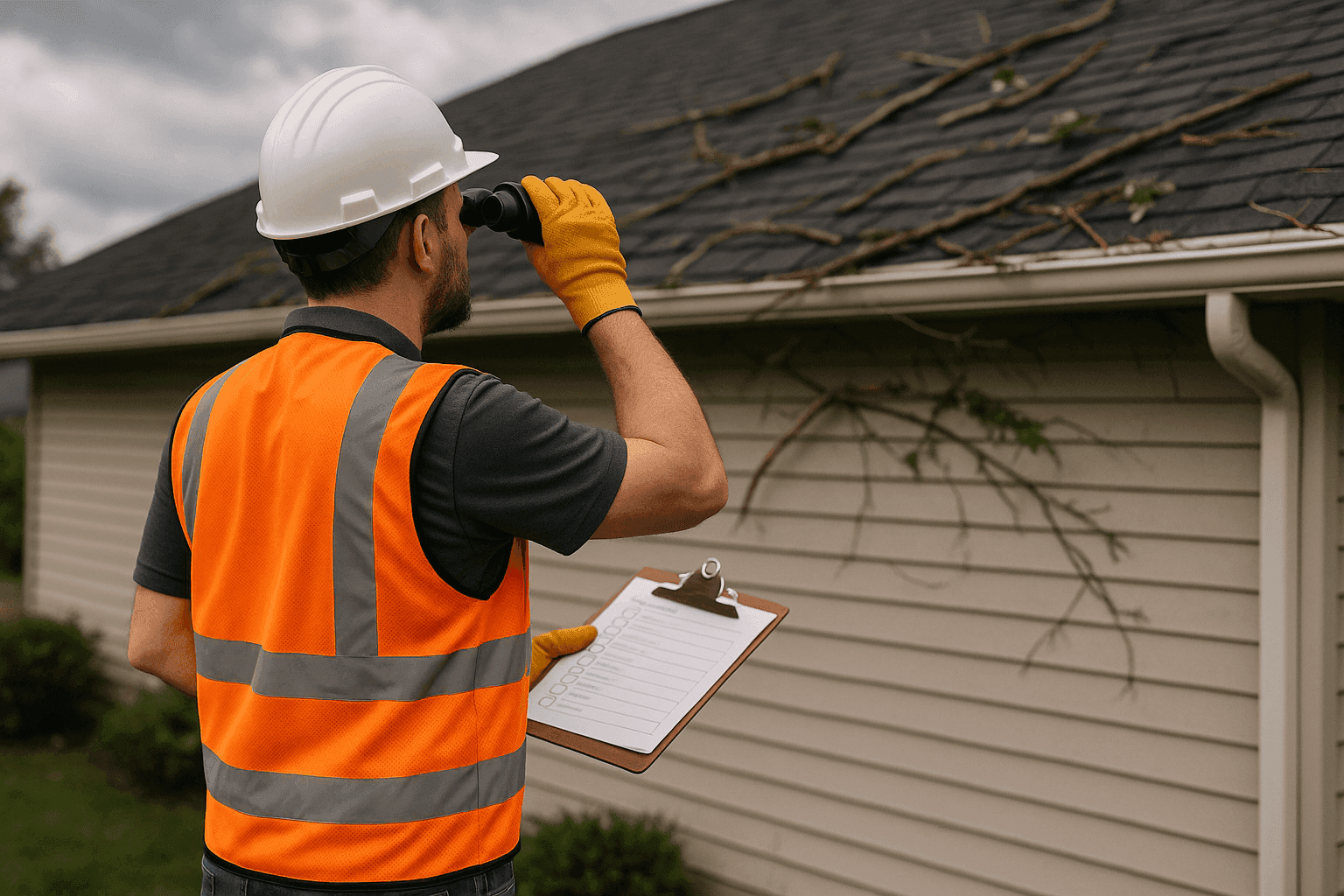
Storms don’t knock. They crash through, leaving chaos behind. Your roof is the first to face the music—wind, rain, hail, or debris. If you’re reading this, you care about protecting your home from the worst. That’s smart.
At Sir Roofing, we’ve seen it all. From gentle leaks that creep in like a whisper, to gaping holes after a tree branch’s rude awakening. Knowing how to spot roof damage after a storm can save you money, headaches, and maybe even your entire roof.
Why Storms Are a Major Threat to Roofs 🌧️
Storms come in all shapes and sizes, but your roof is always on the front line. Here’s what most often leaves a mark:
- Wind: Strong gusts can yank shingles loose, curl edges, or even rip flashing away.
- Hail: Like marbles from the sky. Hail chips, cracks, and dents shingles, flashing, and skylights.
- Debris: Fallen branches, leaves, and even trash can puncture or scrape roofing materials.
- Water Infiltration: Heavy rain finds every weak spot, seeping into old seals or tiny gaps.
- Ice Dams: In colder climates, melting snow refreezes at the roof’s edge, trapping water and forcing it under shingles.
No roof is invincible. That’s why regular inspections after storms are essential, no matter the season or your zip code.
Step-by-Step Roof Damage Inspection
Let’s break it down. Grab a notepad, your phone for pictures, and binoculars if you’ve got them. Don’t climb up if it’s unsafe—your health comes first.
Exterior Checklist
Stand back and scan your roof, then walk around the perimeter:
- Missing or Damaged Shingles: Look for bare patches, lifted, curled, or cracked shingles.
- Dented Flashing: Check metal strips around chimneys, vents, and skylights for bends, dents, or peeling.
- Gutters and Downspouts: Are they hanging, dented, or clogged with debris? Sagging gutters can pull away from the roofline.
- Skylights: Inspect for cracked glass, bent frames, or water pooling around edges.
- Roof Valleys: These channels guide water off your roof—watch for debris or visible wear.
- Soffits and Fascia: Boards under the edge of the roof can rot, warp, or show water stains.
- Decking: If you spot exposed wood, note any warping or dark patches—signs of water damage.
Interior Signs
Now head indoors. The attic is your window into your roof’s health:
- Leaks or Water Stains: Check ceilings and walls, especially near outer walls and in corners.
- Damp Insulation: Wet, compacted insulation in the attic means water’s sneaking in.
- Musty Smells: Moisture breeds mold. Any odd smells? Investigate right away.
- Peeling Paint or Bubbling Plaster: These are subtle flags that water is coming through.
- Visible Light: If sunlight peeks through the attic roof boards, so can rain.
What to Do If You Find Damage
Don’t panic. Take a breath, then take action:
- Stay Safe: Don’t walk on a wet or unstable roof. If live wires are exposed, leave the area and call professionals.
- Temporary Fixes: Use tarps or buckets to control leaks indoors. Place towels or containers under drips.
- Shut Off Power: If water is near electrical fixtures, turn off power at the breaker.
- Limit Water Spread: Move valuables and furniture away from leaks.
- Call for Emergency Services: If the roof is open to the elements or leaking heavily, reach out to a roofing company that offers emergency repairs.
Remember, temporary fixes buy you time, but professional repairs are the cure.
Documentation for Insurance Claims
Insurance adjusters want proof. You want results. Make their job easier—and boost your claim—by gathering clear evidence:
- Take Photos: Snap wide shots and close-ups of every damaged spot, inside and out.
- Write Notes: Jot down when the storm happened, what you noticed, and any steps you took.
- Keep Damaged Items: If safe, save broken shingles, flashing, or other parts as physical evidence.
- Save Receipts: Any supplies or emergency repairs? Keep receipts for reimbursement.
Consult your policy and check local building codes or the National Roofing Contractors Association (NRCA) guidelines for details on what’s covered.
Safety First: A Quick Checklist
Before you start any inspection:
- Wait for the storm to fully pass.
- Wear non-slip shoes, gloves, and eye protection.
- Use a sturdy ladder, never climb alone.
- Keep children and pets away from damaged areas.
- If you see sagging ceilings or hear creaking, leave the area immediately.
Your roof can be fixed. You can’t be replaced.
DIY vs. Call a Pro
Some fixes are like patching a bike tire. Others are like rewiring your house. Here’s when to DIY and when to pick up the phone:
- DIY: Small leaks, clearing debris, or replacing a few shingles (if you’re handy and have the right safety gear).
- Call a Pro: Large leaks, structural damage, electrical risks, or if you’re unsure about anything.
Roofs are complicated. A slip can turn a simple fix into a major injury or bigger repair.
What Pros Do On Arrival
When Sir Roofing arrives, here’s what you can expect:
- Thorough Inspection: We check every inch, inside and out, using industry best practices and OSHA safety guidelines.
- Moisture Detection: Specialized tools spot hidden leaks under shingles or inside walls.
- Temporary Repairs: Emergency tarps or sealants to stop further damage.
- Damage Assessment: Detailed report with photos and recommendations for next steps.
- Clear Communication: We explain what’s urgent, what can wait, and your options for Roof Replacement near you or repairs.
Prevention & Maintenance
You can’t stop the weather, but you can toughen up your roof:
- Routine Inspections: Twice a year, plus after every major storm.
- Gutter Cleaning: Clear gutters and downspouts to prevent clogs and water backup.
- Trim Trees: Keep branches away from your roof to reduce debris risk.
- Upgrade Materials: Consider impact-resistant shingles, metal roofing, or better insulation.
- Sealants and Coatings: Regularly apply roofing sealants to vulnerable spots.
The Insurance Institute for Business & Home Safety (IBHS) recommends these steps for long-term protection.
Costs & Time Factors
Wondering what to expect? Here’s the reality:
- Minor Repairs: Fixing a few shingles or resealing flashing can be fast—sometimes same day.
- Major Damage: Structural repair, roof replacement, or large leaks take longer. Weather, material availability, and the extent of damage all play a part.
- Insurance Claims: Adjuster visits, paperwork, and approvals add time. Document everything to speed things up.
- Hidden Issues: Sometimes, what looks minor is just the tip of the iceberg.
Don’t delay—small problems can snowball into big bills.
When It’s an Emergency
Sometimes, waiting isn’t an option:
- Water pouring in or pooling inside.
- Holes in the roof, or large sections missing.
- Exposed wiring or ceiling collapse.
- Severe storm forecasted with existing damage.
In these cases, call for emergency roofing services immediately. Protect your family first, then your property.
FAQ: Common Concerns About Storm Damage
How soon after a storm should I inspect my roof?
As soon as it’s safe. The faster you find issues, the easier (and cheaper) they are to repair.
What if I can’t see my roof well from the ground?
Use binoculars, or call for a professional inspection—especially if you suspect hidden damage.
Will my insurance cover all storm damage?
Policies vary. Most cover sudden, accidental damage but not wear and tear. Review your policy or talk to your agent.
Can I prevent all storm damage?
Not entirely, but good maintenance and strong materials make a difference.
Local and Seasonal Considerations
Storm risks change with the seasons—tornadoes, hurricanes, blizzards, or summer squalls. No matter your climate, the process is the same. Inspect after every major event, and pay attention to unique local threats like hail, heavy snow, or wind-driven rain.
The National Weather Service and your local building department offer resources on what’s typical for your area—and how to prepare.
Your roof protects everything and everyone inside your home. If you suspect damage after a storm, don’t wait. Get a trusted eye on the scene.
Call Sir Roofing now — or reach us anytime at 888-853-5068 .