Roof Replacement Cost Guide: What Homeowners Should Expect
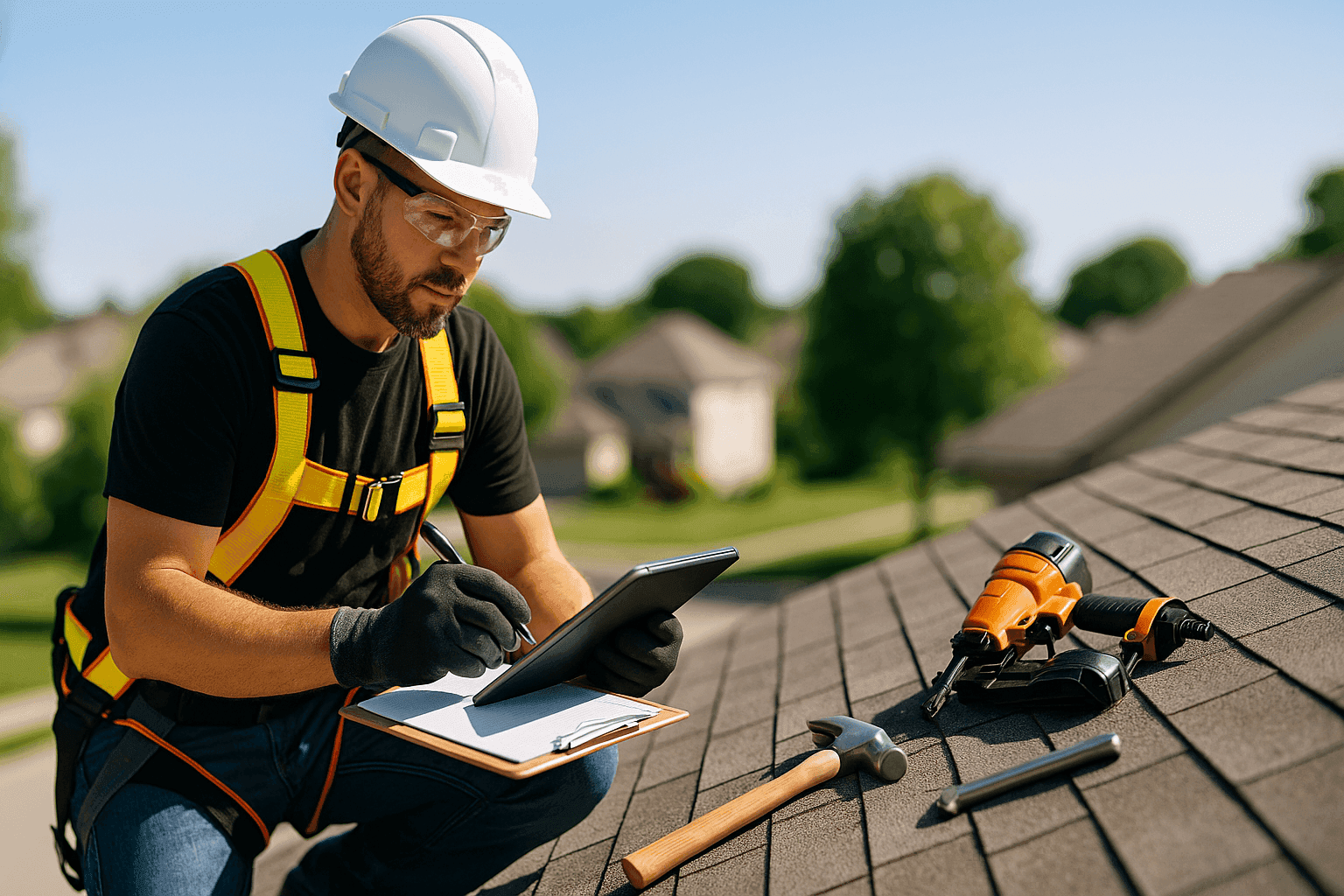
Replacing your roof isn’t just another item on your home improvement checklist. It’s a big decision—one that protects everything (and everyone) under your roof. And, if you’re like most homeowners, the first question is: How much is this really going to cost?
At Sir Roofing, we hear it all the time. We know the pressure of protecting your investment. That’s why we’re laying out the facts about roof replacement costs—no guesswork, just straight answers you can use.
How Much Does Roof Replacement Cost? 🏠
Roof replacement costs can feel like a mystery. Nationally, homeowners spend anywhere from $5,000 to $15,000 or more for a full roof replacement, depending on many factors. Some projects rise above these averages, especially for larger or more complex roofs.
What makes the price swing? Here’s what matters most:
- Roof Size: Like buying carpet, more square footage means more material and labor.
- Pitch: Steep roofs are riskier and require extra safety measures, increasing costs.
- Material Choice: Asphalt shingles tend to be the most affordable. Metal, tile, cedar, or eco-friendly roofs push the price higher.
- Labor Rates: These can vary by region and season, but the skills of your crew matter everywhere.
Think of your roof like a tailored suit: the fabric, cut, and craftsmanship all change the price tag.
Key Factors Affecting Roof Replacement Price
Materials: The Foundation of Cost
Your choice of material shapes your budget more than anything else:
- Shingle Roofing: The go-to for many homes; affordable, durable, and available in many styles.
- Tile Roofing: Beautiful and long-lasting, but heavier (which sometimes means extra structural support).
- Metal Roofing: Modern, eco-friendly, and highly durable—usually pricier up front, but can last decades.
- Flat Roofs: Common on modern homes and additions. Materials like TPO or modified bitumen have unique pricing and installation needs.
- Eco-Friendly Options: Solar tiles or green roofs can increase costs but may bring energy savings.
Labor: More Than Just Hammer and Nails
Labor is often half (or more) of your total replacement cost. Complex roof shapes, multiple levels, or tricky access points can drive labor costs sky-high. If your crew needs extra time, harnesses, or scaffolding, expect a bump in your budget.
Roof Complexity and Accessibility
Chimneys, skylights, valleys, and dormers all add complexity. Each feature means more measuring, cutting, and sealing—translating to extra work and cost.
Removal and Disposal of Old Roofing
Some roofs have three (or more) layers of old shingles. Stripping everything down to the decking, then hauling it off, isn’t free. Disposal fees, landfill charges, and the time involved all add up.
Underlayment and Decking Repairs
Beneath your shingles lies the underlayment and decking—the real backbone of your roof. If your decking is rotted or damaged, it must be replaced. This is a common, sometimes unexpected, cost during replacement.
How to Get an Accurate Roofing Estimate
A handshake and a ballpark figure won’t cut it. Here’s what makes for a true, reliable estimate:
-
Professional Inspection: A reputable roofer will physically inspect your roof, inside and out. This means checking for hidden leaks, soft spots, decking issues, and signs of improper ventilation.
-
Detailed Quote Process: Expect a written breakdown. Materials, labor, removal, cleanup. Every line item should be clear.
-
Questions to Ask Contractors:
- Are you licensed and insured?
- What materials will you use?
- Will you check for (and fix) underlying damage?
- How will you handle debris and cleanup?
- What’s your timeline, and what could cause delays?
-
Seasonal Trends: Roofing crews get slammed after major storms—prices can spike. Schedule in the off-season (late fall or winter) and you might save, but always balance savings against the urgency of repairs.
Hidden Costs and What to Watch For 👀
Sometimes the biggest surprises aren’t visible from the curb. Here’s where costs can sneak in:
- Permitting Fees: Most municipalities require a permit for roof replacement. These can range from minor to significant.
- Structural Repairs: Water damage, sagging rafters, or rot can mean extra carpentry.
- Flashing and Chimney Work: Old or corroded flashing needs replacement to prevent leaks.
- Gutters and Downspouts: If your gutters are bent, rusted, or undersized, replacement is smart while the roof is open.
- Insulation and Ventilation: Poor attic ventilation can void material warranties and shorten your roof’s life.
- Decking Replacement: Sometimes, the wood under your old roof is damaged and needs fixing before new materials go on.
It’s wise to set aside a contingency fund—about 10–20% of your project budget—for these surprises.
Transparent Cost Breakdowns and Industry Standards
The best contractors are open about every dollar. They’ll show you receipts for materials, detail labor charges, and explain why certain repairs are required. This transparency is a marker of professional ethics. According to the National Roofing Contractors Association (NRCA), always insist on a written contract and clear scope of work.
Avoid fly-by-night companies who underbid, then tack on fees later. If a quote sounds too good to be true, it usually is. Look for established companies with strong communication, insured crews, and a portfolio of past work.
Practical Tips for Homeowners
- Get at least three written estimates for comparison.
- Check references and credentials—don’t settle for a business card and a handshake.
- Ask about material and labor warranties, but read the fine print.
- If you’re replacing a roof after a storm, consult your homeowner’s insurance for possible coverage.
- Never pay the full amount upfront; reputable roofers take a deposit and collect the balance after work is complete.
Frequently Asked Questions
How long does a typical roof replacement take?
Most single-family homes take 1–3 days for full replacement, weather permitting. Larger or more complex roofs may take longer.
Will my landscaping be protected during the job?
Professional crews use tarps and take care to protect your property, but always ask how they plan to safeguard flower beds, decks, and driveways.
Can I stay home during the project?
Yes, but expect noise and some disruption. Pets may be stressed by the activity.
How do I know my roofer is reputable?
Look for companies with verifiable credentials, clear written estimates, and positive reviews. Membership in industry organizations like the NRCA adds credibility.
Local and Seasonal Considerations
While prices don’t change dramatically from state to state, certain regions see higher costs due to material demand, labor shortages, or stricter building codes. After major storms or weather events, demand can spike, making it important to act quickly—but carefully.
Dry, mild weather is ideal for roof replacement. Winter installs are possible, especially for emergency repairs, but some materials require specific temperatures for proper sealing.
Ready for a Roof That Lasts?
Your home deserves a roof that stands the test of time—and a company that stands behind its work. For honest advice, clear pricing, and the full range of services (from skylights to gutters and everything between), Sir Roofing is here.
Call Sir Roofing now — or reach us anytime at 888-853-5068 .