The Homeowner’s Guide to Roof Inspections: What to Expect and Why They Matter
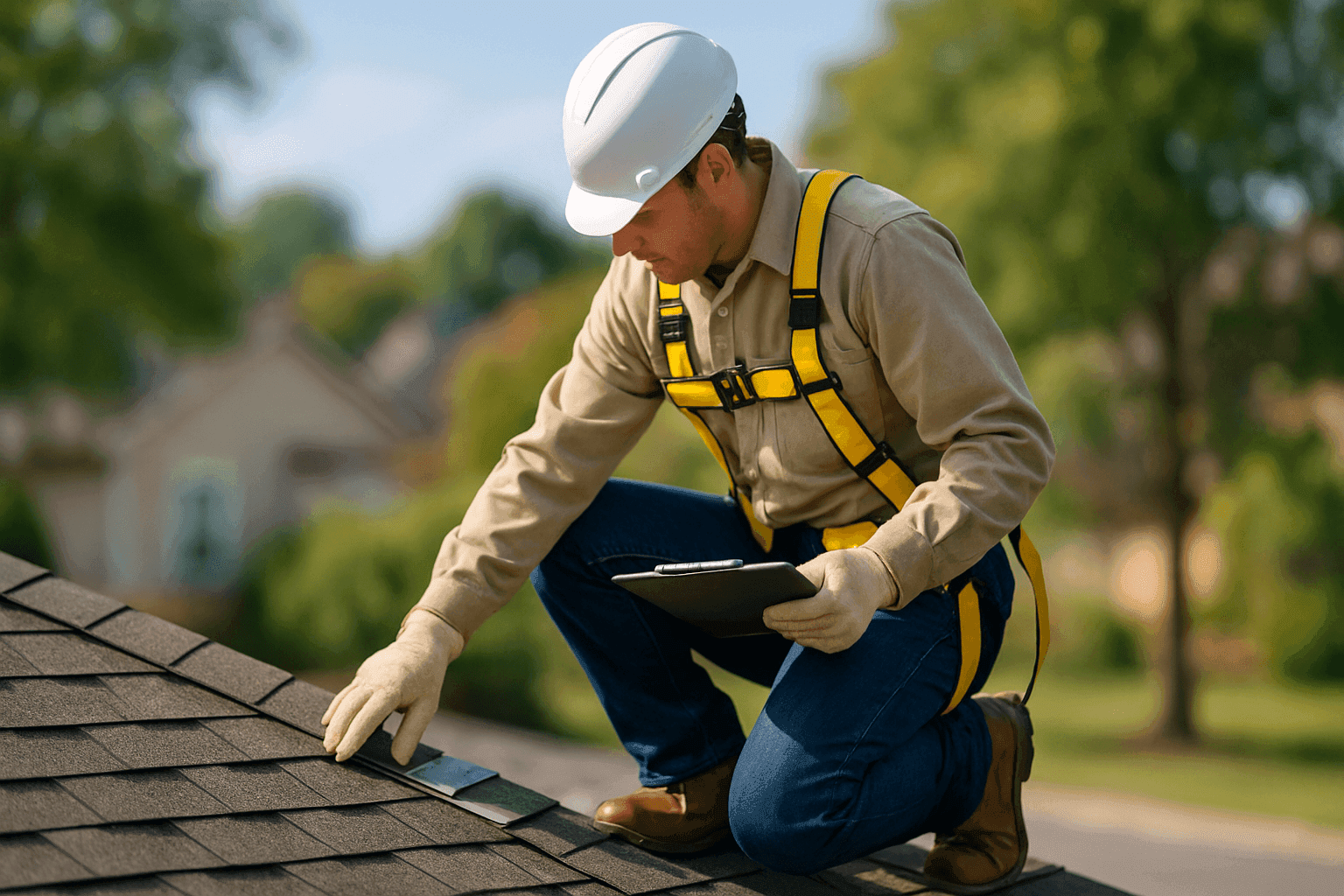
You probably don’t think about your roof every day. Most homeowners don’t. But when leaks appear or shingles go missing, the roof suddenly becomes the center of attention. Ignoring your roof is a bit like skipping regular dentist checkups—you may save time now, but bigger headaches (and bills) could be lurking just out of sight.
At Sir Roofing, we know a sturdy roof means a safe home. Regular inspections are your best defense against sudden damage and expensive repairs. Let’s break down what you can expect from a professional roof inspection, why it matters, and how to make the process work for you.
Why Roof Inspections Matter for Homeowners 🏠
Think of your roof as the shield protecting your family and everything you own. Over time, even the best shields wear down. Weather, age, and even critters can cause problems you won’t notice from the ground. A small crack or loose flashing today can become a major leak tomorrow.
Why get regular inspections?
- Catch hidden issues before they spiral.
- Keep your home’s value high.
- Make sure your insurance claims aren’t denied due to neglect.
- Stay ahead of costly emergencies.
The National Roofing Contractors Association (NRCA) and the International Association of Certified Home Inspectors both recommend at least one inspection per year—and after any major storm.
What Happens During a Professional Roof Inspection
A professional inspection is more than just a quick glance at your shingles. Trained eyes look for the subtle clues most people miss. Here’s what you can expect:
Arrival and Introduction
A certified inspector arrives—on time, with identification, and ready to answer your questions. They’ll explain the process, ask about any roof issues you’ve noticed, and ensure your property is safe to access.
The Roof Inspection Checklist
A thorough inspection covers:
- Shingles: Are any cracked, curling, loose, or missing? Do the granules look worn?
- Flashing: Check around chimneys, skylights, vents, and valleys for rust, gaps, or loose sections.
- Gutters & Downspouts: Look for clogs, sagging, leaks, or improper drainage.
- Skylights: Inspect seals and glass for cracks or leaks.
- Ventilation: Assess attic airflow—poor ventilation can shorten your roof’s lifespan.
- Insulation: Make sure insulation is dry and evenly distributed.
- Decking: Inspect for soft spots that could mean hidden rot or moisture damage.
- Structural Integrity: Scan for sagging, bowing, or other signs of trouble.
- Sealants and Coatings: Are there worn spots or peeling?
- Storm Damage: Look for hail dents, wind-lifted shingles, or debris impact.
These checklist items are based on best practices from sources like the NRCA and International Residential Code (IRC).
Signs of Hidden Roof Damage
Not all roof problems shout for attention. Some whisper—until it’s too late. Here’s what we look for:
- Water stains on ceilings or attic wood.
- Musty odors in the attic.
- Visible daylight through the roof boards.
- Nails popping through shingles.
- Excessive granules in the gutters (like sand after a storm).
- Moss or algae growth, which holds moisture against the roof.
If you spot any of these, it’s time for a closer look.
How Often Should You Schedule a Roof Inspection?
- At least once a year: Catch problems before they grow.
- After major storms: Especially hail, high winds, or heavy snowfall.
- Before buying or selling a home: Ensure transparency and avoid surprises.
- If your roof is over 10 years old: Aging roofs need more attention.
Seasonal changes can stress your roof—freeze/thaw cycles in winter, heavy rains in spring, and summer heat can all expose weak points.
DIY Roof Inspections vs. Professional Help
Can you check your own roof? Yes—sort of. With binoculars, you can spot missing shingles or sagging gutters from the ground. But climbing up is risky, and some issues hide beneath the surface.
DIY pros:
- Save money.
- Quick visual spot-checks after storms.
DIY cons:
- Dangerous—falls are common.
- Easy to miss subtle damage.
- No documentation for insurance.
- Won’t catch attic ventilation or insulation issues.
Advantages of calling a professional:
- Trained to spot hidden issues.
- Use safety gear and proper ladders.
- Provide a detailed report.
- Can recommend repairs or maintenance.
The Insurance Institute for Business & Home Safety recommends professional inspections for safety and thoroughness.
What to Expect When The Pros Arrive
- Inspection of the property: Walk the perimeter and note obvious concerns.
- Climb and examine: Safely check all roof surfaces, valleys, flashings, and penetrations.
- Attic check: Look for leaks, mold, or insulation problems.
- Photos and notes: Document findings for your records.
- Summary report: Clear, written summary with photos and recommended next steps.
You’ll have a chance to ask questions and review the findings before making any decisions.
Key Steps Before Your Roof Inspection
- Clear the driveway for ladders and equipment.
- Secure pets inside.
- Make attic access easy (move boxes, unlock doors).
- Jot down any questions or concerns for the inspector.
- Be present if possible—you’ll learn more and can discuss issues on the spot.
Understanding Your Roof Inspection Report
The report should be straightforward. Look for:
- Photos of problem areas.
- Simple explanations—no confusing jargon.
- A list of suggested repairs or maintenance.
- An estimated timeline for urgency.
If anything isn’t clear, ask for details. This is your home—understanding the report helps you make informed choices.
How Roof Inspections Prevent Major Repairs
A little prevention goes a long way. Regular inspections:
- Spot problems while they’re small.
- Extend your roof’s lifespan.
- Help you budget for repairs, instead of scrambling in an emergency.
- Catch ventilation or drainage issues before mold or wood rot sets in.
Think of it like changing the oil in your car. Small steps, repeated regularly, keep the engine (or the roof) running strong.
Maintenance and Prevention Tips
- Keep gutters clean, especially after heavy storms.
- Trim overhanging branches that scrape or drop debris.
- Check attic for moisture or odd smells every few months.
- Watch for cracked or missing shingles after high winds.
- Schedule inspections at the start of spring and fall.
For eco-friendly roofing options, look for recycled shingles or cool roof coatings that meet ENERGY STAR or local green building standards.
Roof Inspection Costs & Timing
- Time required: Most inspections take 1–2 hours, depending on roof size and complexity.
- Cost factors: Age of roof, slope, number of penetrations (chimneys, skylights), and accessibility.
- What you pay for: Trained eyes, safety equipment, clear documentation, and peace of mind.
Most homeowners find the inspection fee is a fraction of what emergency repairs could cost.
When It’s an Emergency 🚨
Call right away if you notice:
- Water actively leaking inside.
- Large sections of shingles missing after a storm.
- Sagging or bowing roof deck.
- Strong winds or fallen branches causing visible damage.
Emergency services can help prevent further damage and protect your property until full repairs are made.
FAQ: Roof Inspections
Q: How do I choose a reputable roofing company?
Look for proper licensing, insurance, and local experience. Ask for references. Transparent pricing and detailed inspection reports show professionalism.
Q: Will a roof inspection disrupt my day?
Inspections are minimally invasive. You may hear footsteps overhead, but there’s no demolition or loud equipment.
Q: Can a roof inspection help with insurance claims?
Yes. A professional report documents the roof’s condition before and after storms—crucial for insurance documentation.
Q: How do I know if my roof needs replacement or repair?
A clear inspection report outlines the extent of any damage and suggests the best path forward. Small issues often need repairs; widespread problems or old age may mean it’s time for a full roof replacement.
Local and Seasonal Considerations
Every region brings its own challenges. In areas with heavy snow, ice dams can force water under shingles. Wind-prone zones see more shingle loss. Intense sun can dry out and crack roofing materials. Schedule inspections to match your climate—especially after major weather events.
For more information, the National Roofing Contractors Association and local building codes offer guidance on best practices for your area.
Your roof is your first line of defense. Don’t wait for a leak to tell you something’s wrong. Schedule regular inspections to keep your home safe and your mind at ease.
Call Sir Roofing now — or reach us anytime at 888-853-5068 .